
Mist, Rain, and Reflective Surfaces
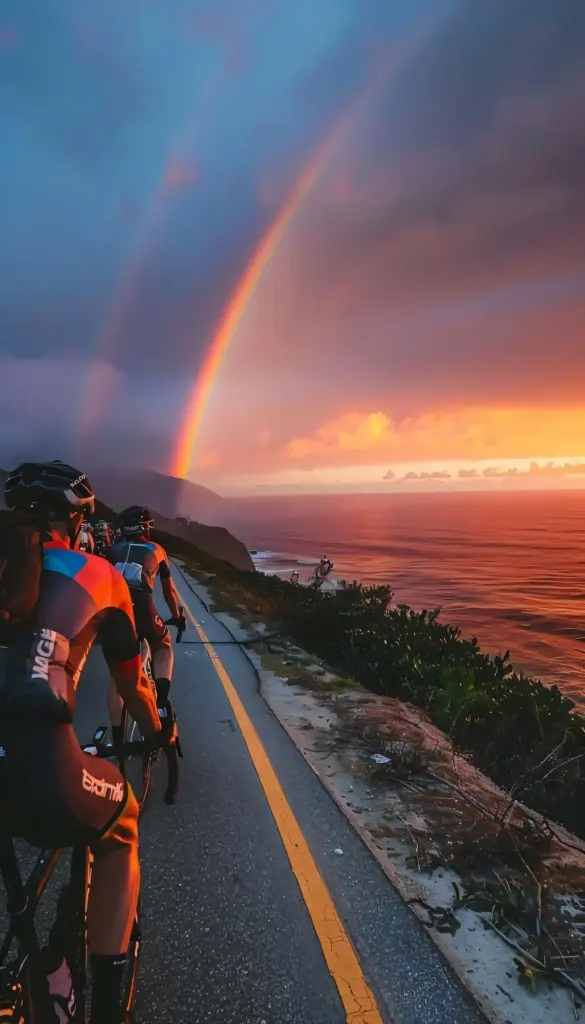
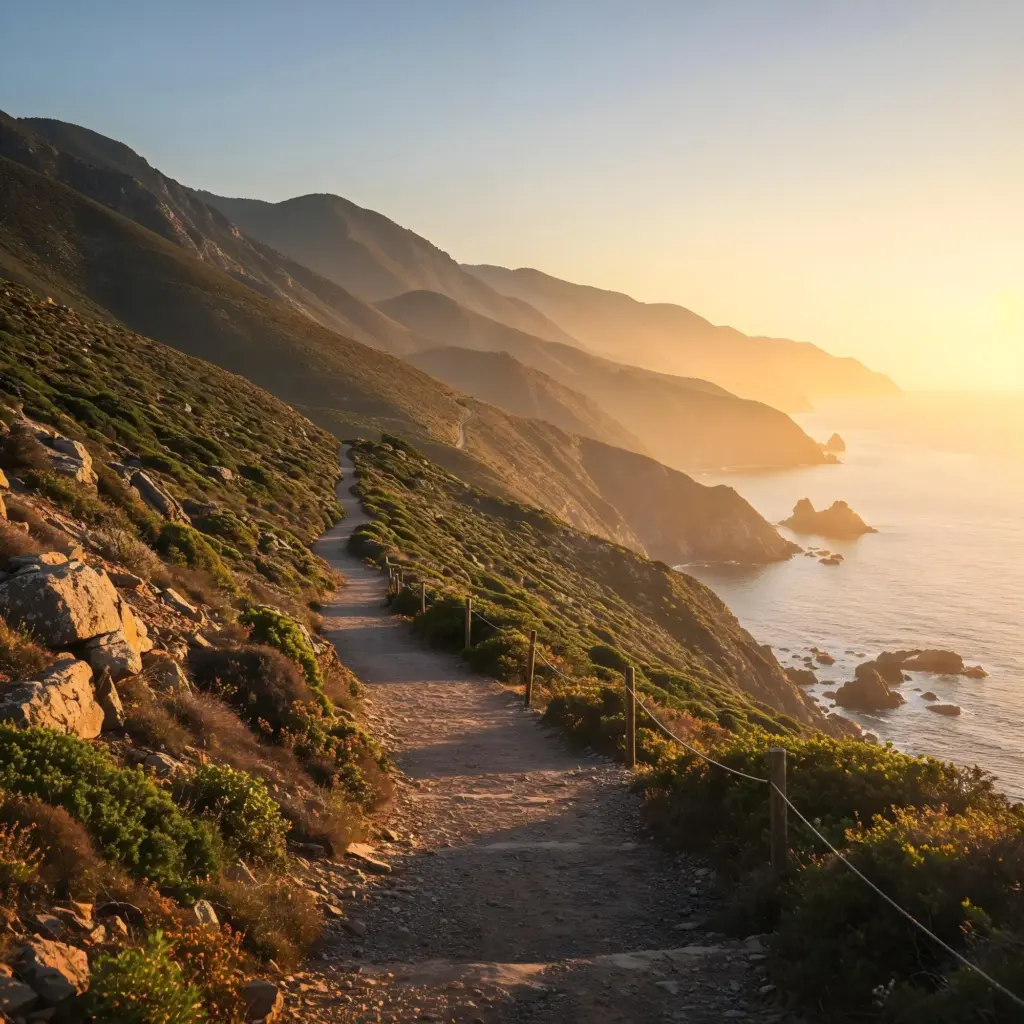
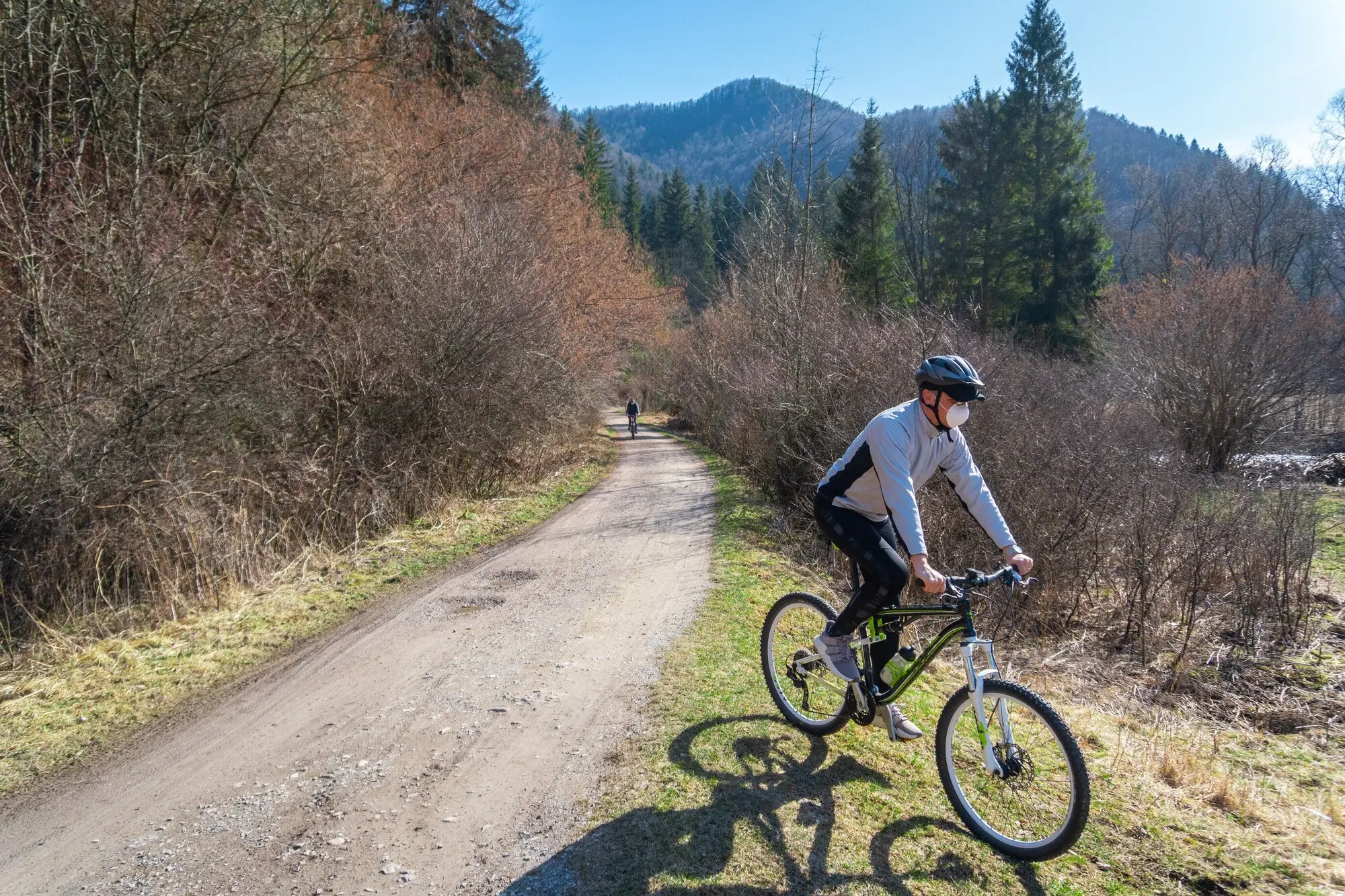
Rain transforms ordinary railway platforms, pine needles, and slate steps into luminous reflectors. Pack microfiber cloths, lens hoods, and patience. Compose puddle symmetries while guarding safety boundaries, then transition to waterfalls or moss gardens where overcast light reveals micro‑textures without harsh contrast or anxious exposures.
Heat, Snow, and Seasonal Tradeoffs
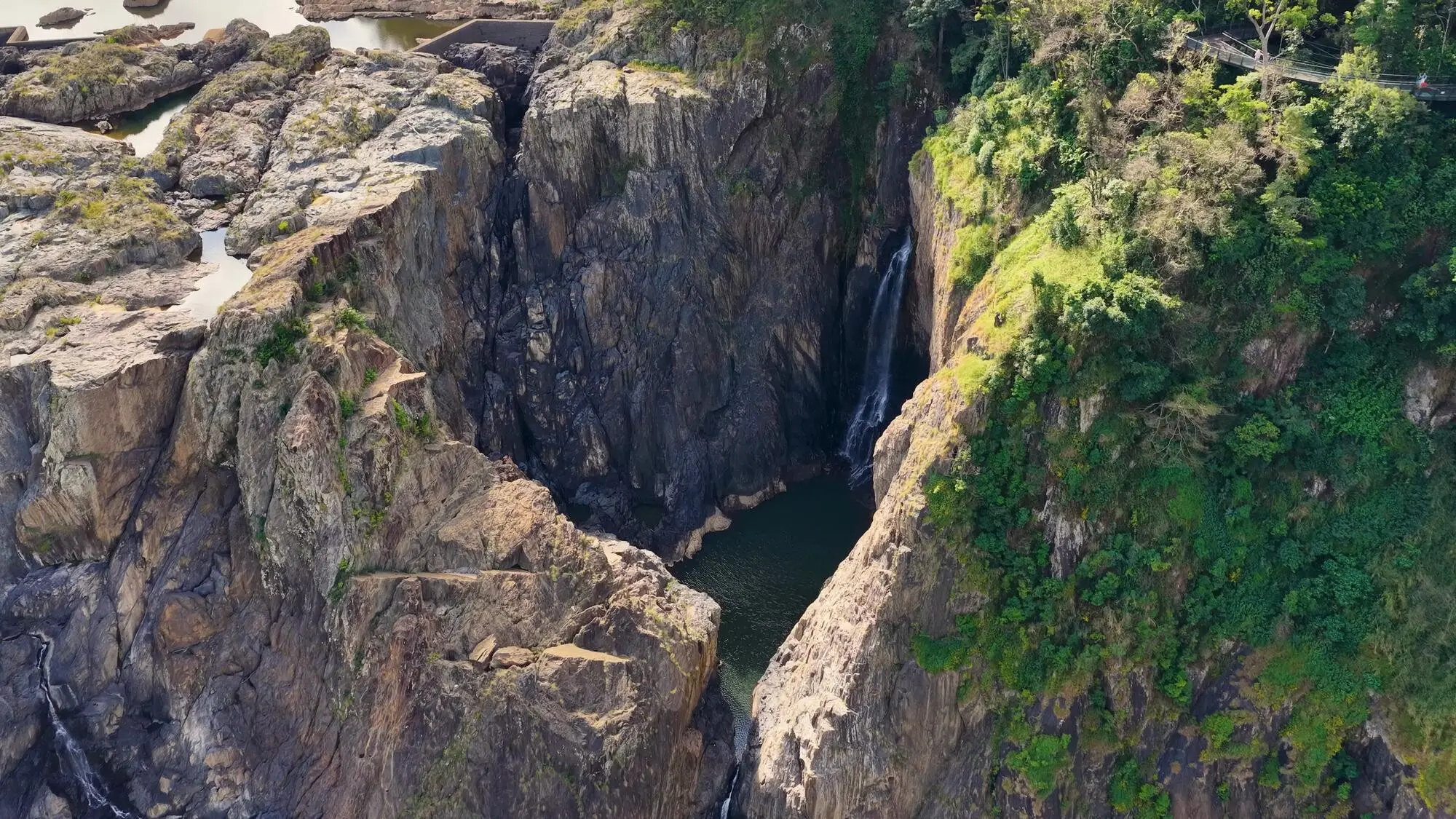
High summer favors pre‑dawn arrivals and shaded ravines; winter rewards endurance with crystalline air and long blue hours. Adjust traction, hydration, gloves, and battery strategy accordingly, choosing itineraries where services remain frequent and exits obvious if weather outpaces your comfort or daylight calculations.
Delays as Creative Workshops
When operations slow, resist frustration and study light, rhythm, and storytelling in small spaces. Practice hand‑held panoramas, motion blur with passing trains from safe viewpoints, and people‑less still lifes. Jot future composition ideas, answer reader questions, and invite itinerary suggestions while you wait productively.