Light on the Move: Capturing Shuttle‑Only National Park Vistas

Today we dive into photographing shuttle-only areas in national parks, embracing the rhythm of buses, the flow of visitors, and the precious windows of light offered between stops. Expect practical planning, respectful fieldcraft, and creative strategies to transform tight logistics into unforgettable, ethically made images that honor protected places.

Plan Like a Ranger: Schedules, Stops, and Rules
Great photographs begin before sunrise with clear knowledge of when the first bus departs, where it pauses, and which restrictions may affect your movement or equipment. Understanding stop spacing, dwell times, and seasonal closures helps you anticipate light, crowd patterns, and fragile habitats, turning logistical limits into reliable, repeatable opportunities rather than frustrating surprises.

Pack Light, Shoot Fast: A Bus‑Savvy Kit

Space is tight, dwell times are short, and etiquette matters on public transit. Streamline to a nimble setup you can shoulder quickly and stow safely. Versatility outweighs excess; speed and awareness beat bulk. Choose lenses and tools that adapt to sudden wildlife, backlit canyons, and misty overlooks without crowding aisles, bumping seats, or delaying fellow visitors.

Two Lenses, Infinite Possibilities

A wide-to-standard zoom handles grand scenes from confined pullouts, while a lightweight telephoto isolates distant ridges, wildlife, or textural details beyond railings. Add circular polarizer and graduated filters to sculpt glare and sky balance. Prioritize weather sealing, quick hoods, and compact designs that slip under a seat without clattering through tight shuttle turns on crowded routes.

Stability Without the Tripod

Tripods can be restricted or cumbersome in narrow aisles and busy platforms. Use a small clamp, a folding ground plate, a beanbag, or your backpack as a brace. Embrace higher ISOs and in-body stabilization. Practice breath control and timed bursts. Respect fellow passengers by keeping gear tidy so safety and civility remain part of your creative ritual.

Power, Data, and Weather Readiness

Carry a compact power bank, spare batteries in a crushproof pouch, and dual-card redundancy to avoid heartbreaking losses between far-flung stops. Pack microfiber cloths, rain covers, and silica packets for canyon mist or rim squalls. Organize everything in color-coded pouches so changing conditions and sudden wildlife sightings never become missed opportunities again.

Compose Within Boundaries: Boardwalks, Railings, and Pullouts

Shuttle systems often funnel photographers to fixed points where leaving the path is prohibited for safety and conservation. Accept those constraints as creative prompts. Work layers, leading lines, reflections, and human scale. By mastering micro-movements and patient timing, you will extract originality from familiar overlooks without trespass, disturbance, or crowding vulnerable vegetation and cultural resources.

Turn Constraints Into Stronger Lines

Railings and boardwalk edges create perfect vanishing lines that guide eyes through frames. Step inches, not yards, to adjust parallax and remove distractions. Use foreground textures like weathered wood and native grasses. Wait for breaks in foot traffic, letting a single hiker or shuttle silhouette anchor scale and evoke the journey through protected landscapes.

Work With Crowds, Not Against Them

Arriving early helps, but crowds ebb and flow. Instead of fighting them, compose deliberately: shoot above heads, embrace reflections in shuttle windows, or tighten to hands on rails. Offer spots courteously, collaborate on viewpoint rotations, and thank rangers. Kindness buys extra seconds, while patience reveals unscripted moments of connection that enrich storytelling naturally.
Own the First Shuttle of the Day

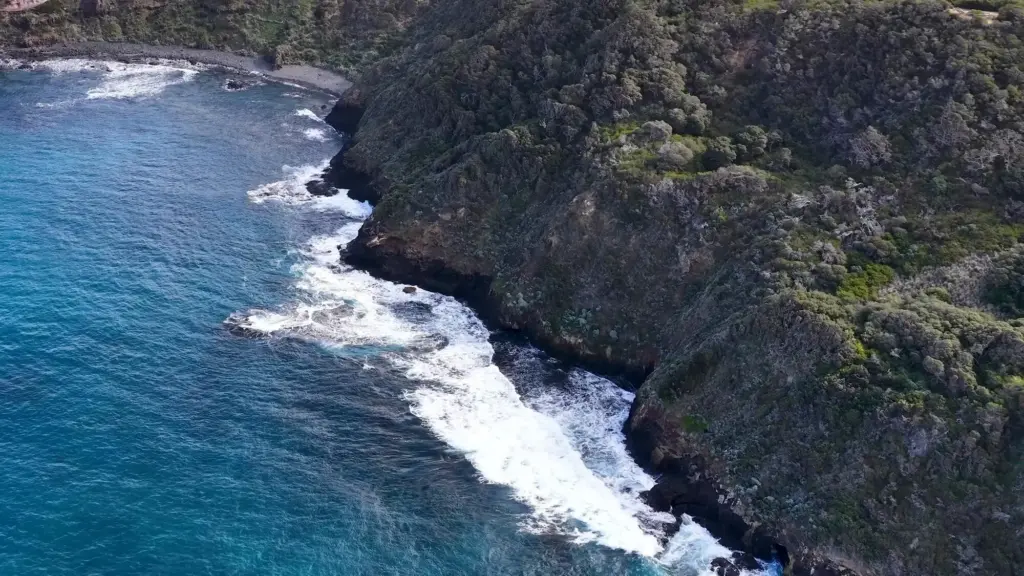
Before crowds arrive, canyon walls blush, wildlife lingers roadside, and wind often sleeps. Be first in line with gloves, headlamp, and mental shot list. Move efficiently, greet rangers, and watch footing. The soft silence rewards preparation, turning minutes into keepers while ensuring you return early enough to adjust plans as light evolves gracefully.

Make the Most of the Last Return

As color peaks, stress can rise about missing the final bus. Solve it by pre-setting alarms, staging gear for quick departures, and identifying fallback stops closer to central hubs. Prioritize one composition, then secondary angles. Leaving a minute earlier preserves safety, goodwill, and a calmer mind that notices quieter, more intimate frames before twilight settles.

Manage Changing Light Under Time Pressure

Script exposure baselines for common scenarios—backlit cliffs, rim glow, reflective water—so adjustments become muscle memory. Shoot RAW, use exposure compensation decisively, and bracket if unsure. Keep lens cloth accessible for flare or mist. Efficient technique preserves mood when shuttles arrive suddenly, letting you capture decisive color without fumbling dials or delaying fellow travelers nearby.

Respect the Place: Ethics, Safety, and Story

Protected corridors exist for good reasons: fragile soils, wildlife pathways, cultural sites, and narrow canyon geometry. Photographers are ambassadors. Stay on paths, yield space, and avoid geotagging sensitive locales. Compose narratives that celebrate stewardship. Let your images honor rangers, shuttle drivers, and communities safeguarding these living classrooms for future hikers, families, and curious young explorers.

Leave No Trace With a Lens

Footsteps matter. Biological soil crusts, alpine meadows, and cryptic habitats crush easily and recover slowly. Keep to built surfaces, pack out everything, and steady elbows on railings rather than fragile branches. When you model care, onlookers notice, learning that beautiful photographs and protective behavior can thrive together without conflict, shortcuts, or compromised ecological integrity anywhere.

Wildlife Distance and Human Courtesy

Knockout portraits start with respect. Follow park distance rules, let animals own the scene, and signal others to step back kindly. Never bait, block, or crowd. Use longer focal lengths and quiet shutters. Patience yields natural behavior, safer conditions, and images that tell truer stories than any close, hurried frame ever could achieve responsibly.

Field Notes From Iconic Shuttle Corridors
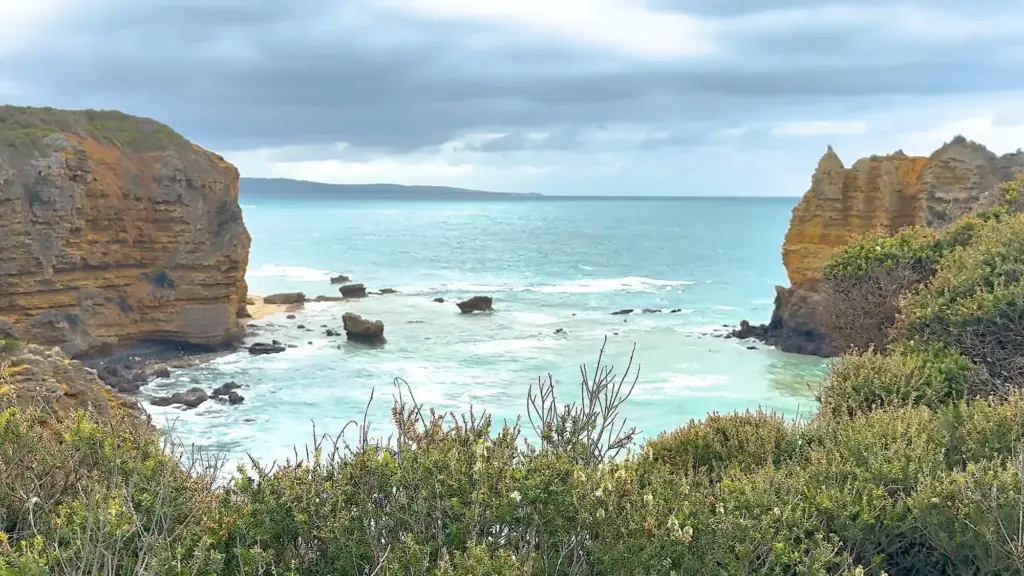
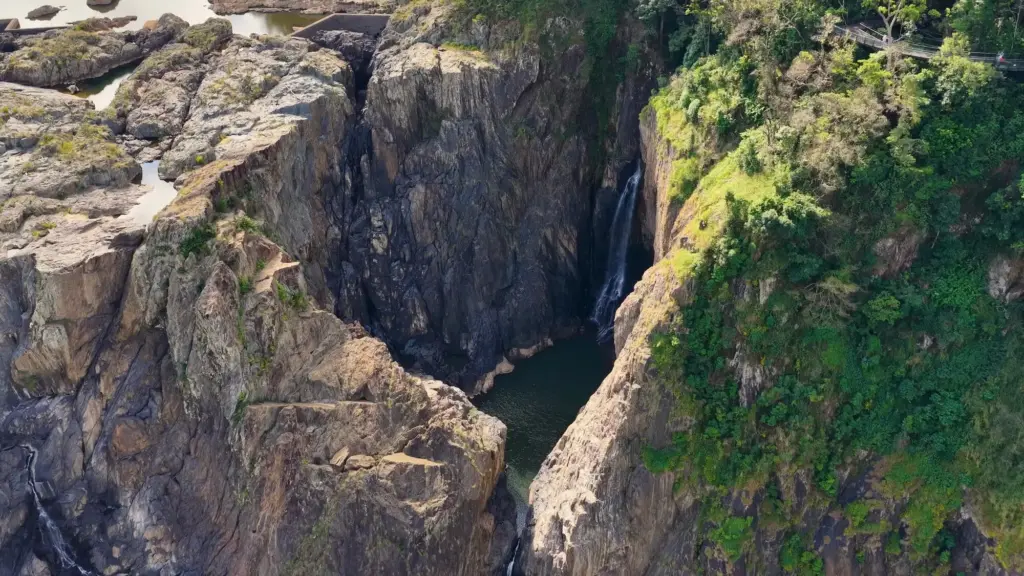
Experience refines planning. Real stops reveal timing quirks, microclimates, and classic frames hiding in plain sight. From canyon floors to rim roads, shuttle access offers repeatable compositions that evolve with season and weather. These notes encourage curiosity, flexible pacing, and humility—because nature, not our schedules, always has the final luminous word everywhere we travel together.

Edit On the Move, Share With Care

Transit time doubles as creative time. Flag selects on the bus, apply gentle color corrections, and reserve heavy edits for stable desks. Share responsibly with non-specific locations when necessary, accurate alt text, and thoughtful captions. Invite conversation about stewardship and process so followers feel included, informed, and inspired to protect the scenes they admire most.