Wander Light: Capturing Earth’s Most Breathtaking Car‑Free Islands

Today we set our sights on vehicle-free islands with unmissable landscape photo opportunities, where footsteps replace engines and horizons widen with every tide. Expect cliff paths scented by sea fennel, harbors whispering under moonlit swell, and villages whose stone lanes invite slow, attentive framing. We’ll share practical tips, heartfelt stories, and ethical guidance so your images honor the people, wildlife, and fragile shorelines that make these rare, quiet sanctuaries unforgettable.

Why Silence Improves Every Frame

Remove the noise and rush of traffic and your photography naturally shifts into deeper observation. On car-free islands, the cadence of walking encourages patient scouting, steadier hands, and a calmer eye for changing light. You hear seabirds before you see them, notice tide lines tracing stories on sand, and recognize when a cloud edge might blaze pink. With fewer distractions, composition matures, experiments multiply, and the journey between shots becomes part of the creative process.

Footsteps Set the Tempo

Walking paces the mind into seeing, granting time to test angles and height changes without the hurry of parking or traffic. On stone stairways or dune paths, each pause becomes a micro-composition study. You notice wind-carved grasses, reflected highlights on wet rock, and human moments unfolding slowly, yielding frames that feel considered rather than chased.

Soundscapes Sharpen Attention

Without engines, natural cues rise: the muffled boom of swell in a sea cave, rigging tapping masts, distant donkey bells on Hydra. These subtle rhythms inform shutter timing and patience. You anticipate when waves will kiss a ledge, when gulls circle back into a leading line, and when a fisherman raises a net against a changing sky.

Cleaner Air, Clearer Horizons

Fewer vehicles often mean less haze and soot, lifting contrast across distant headlands and reefs. Blue hour gradients look purer, and mid-day heat shimmer feels gentler. Long lenses hold micro-contrast longer, and fine textures—lichen crusts, shell fragments, salt spray—render with satisfying precision. The environment itself becomes a cooperative partner in detail and tonal separation.

Unmissable Stops for the Patient Traveler
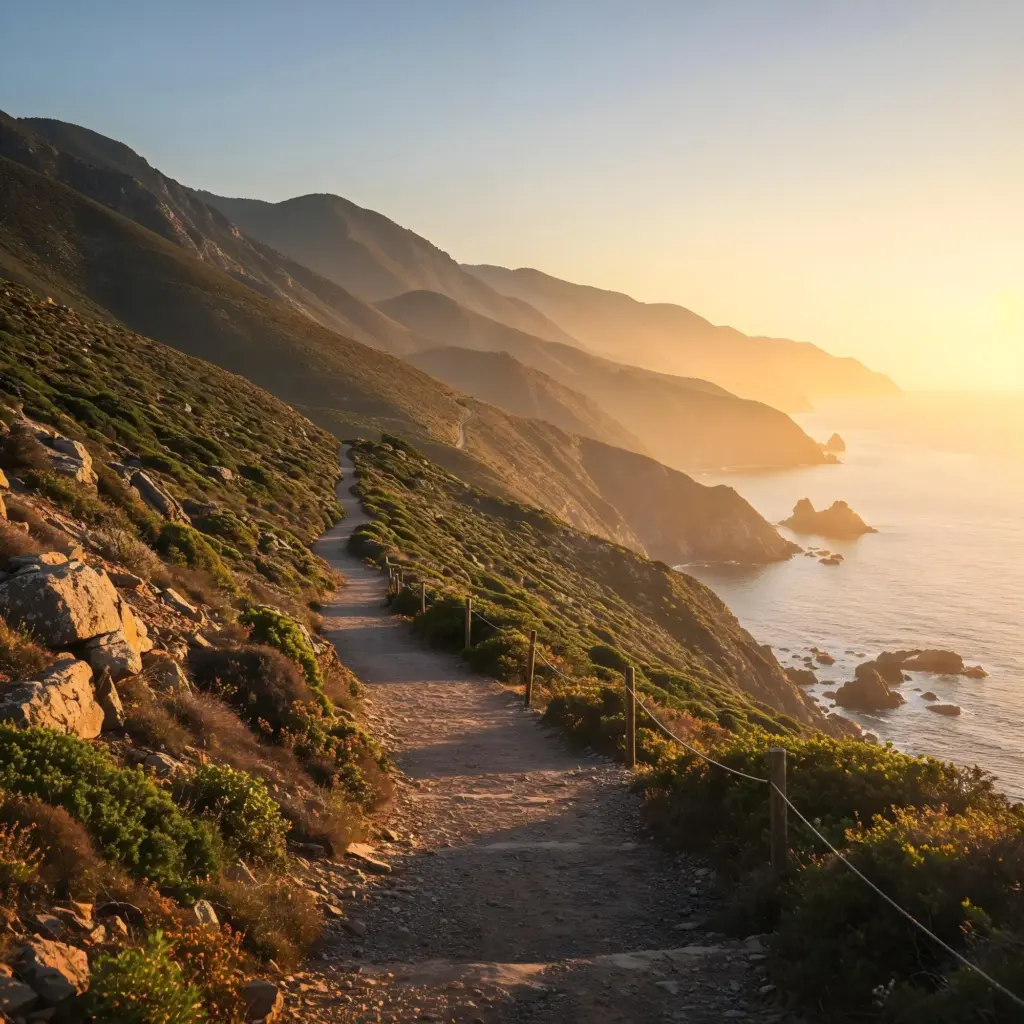
From storybook channels to volcanic rims, certain car-free islands demand a place on any landscape photographer’s map. Not because they are secret, but because quiet movement changes how you meet them. We’ll highlight a few that consistently reward careful timing, respectful presence, and a readiness to return to the same spot as the sea writes another version of the scene.

Reading Weather Like a Local

Watch birds flying low ahead of pressure drops, flag lines stiffening along quays, and tide marks climbing steps. Ask ferry crews about swells and visibility. These grounded clues, paired with forecasts, tell you when to expect golden haze, raking sidelight, or matte overcast perfect for color purity. Every cue sharpens planning and amplifies keeper rates.

Backlight for Drama on Cliffs and Coves

Turn into the sun to rim shells, grasses, and salt spray, revealing halos and micro-sparkle that frontal light mutes. Stop down for starbursts peeking around boulders, and shield flare with your hand. Bracket exposures for foam whites without losing shadowed texture, then blend mindfully to preserve authenticity while honoring the emotion of luminous edges.

Long Exposures Without the Vibration

In the absence of traffic rumble, tripods remain steadier on piers and sea walls. Use neutral density filters to turn chop into silk or trace cloud movement over lighthouse silhouettes. Time releases between gusts, stabilize legs on rock seams, and let the island’s hush translate into velvety water surfaces and sky streaks that breathe serenity.

Moving Lightly: Gear, Transport, and Safety

A Minimal Kit That Punches Above Its Weight

Carry a wide zoom for sweeping coves, a fast prime for dusk streets, and a lightweight tele for cliff compression. Add a compact tripod, circular polarizer, and a two-stop soft grad. Pack microfibre cloths for salt spray, dry bags for squalls, and electrolyte sachets. Lighter loads extend scouting range and keep your gaze ahead, not on aching shoulders.

Bikes, Boots, and Borrowed Carts

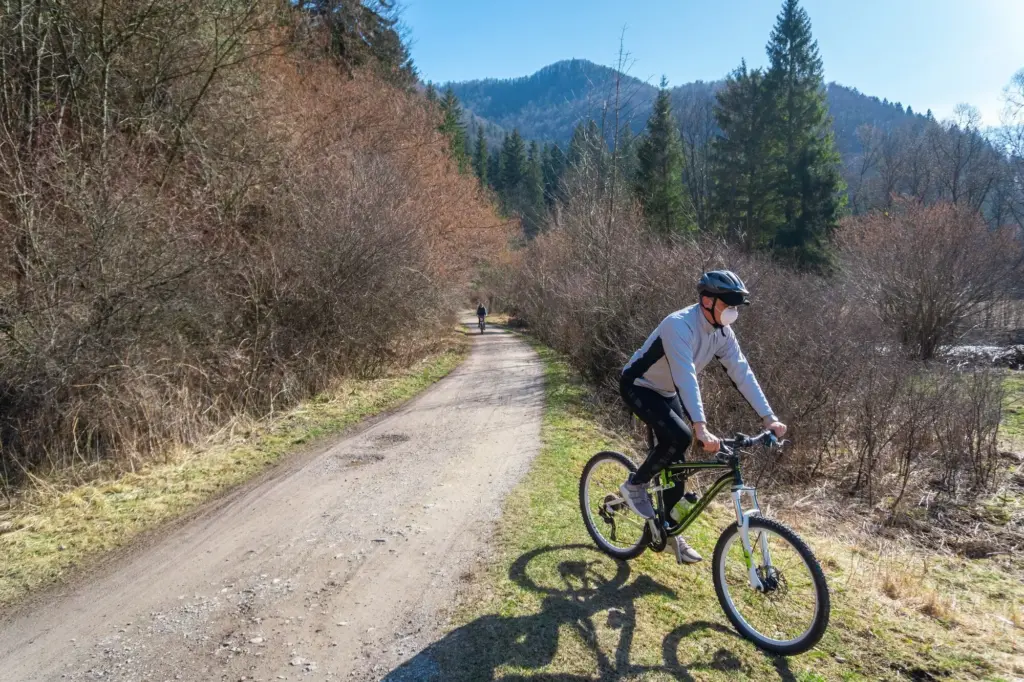
On islands like La Digue or Rottnest, bicycles multiply sunrise options before the heat sets in. Where allowed, handcarts move water and tripods without strain. Good boots beat slick algae and broken shells on tide lines. Always secure straps near horses or donkeys, yielding space kindly, and thank locals whose pathways you share with quiet respect.

Salt, Sun, and First Aid

Coastal glare deceives hydration habits, so schedule drink breaks with alarms, not guesses. Sunscreen every two hours, hat brims for glare, and finger tape for tripod nicks matter more than glamorous gadgets. A tiny first-aid pouch—blister pads, antiseptic wipes, antihistamines—keeps small troubles small, ensuring your best light isn’t lost to preventable stumbles.

Hydra’s Dawn and the Fisherman’s Knot

One morning, a fisherman showed how he ties a faster bowline with calloused grace, then pointed to a sunlit stone where cormorants dry wings. That gesture reframed my composition, shifting attention from boats to ripples echoing his motion. The resulting image carries his rhythm, proof that listening can change a photograph’s center of gravity.

Rottnest Patience and the Breeze

On Rottnest, waiting through three empty frames for a breeze to align seagrass with incoming lines of swell transformed chaos into pattern. A cyclist paused off-frame, bells distant, and the water flattened just enough. The final shot felt earned, not found, a small lesson that patience plus wind-watching can outwork more expensive glass.

Drones, Respectfully and Legally

Car-free never means rule-free. Many islands restrict drones near wildlife or heritage sites. Check permits, map no-fly zones, and carry prop guards. Launch from clear areas, announce intentions to nearby people, and land at the first sign of animal distress. If in doubt, keep it grounded and let your feet find a better vantage.

Wildlife Distance and Tide Awareness

Telephotos help you stay generous with space. Learn species stress signals, and never block escape routes to sea or burrow. Study tide tables so you neither corner nor get cornered by incoming water. Ethical choices improve safety, reduce disturbance, and, paradoxically, often yield more intimate images as animals continue natural behavior unspooked.

Community Courtesy and Contribution

Quiet lanes are living spaces, not sets. Mute shutters indoors, step aside for workers moving deliveries by hand, and avoid blocking doorways for lengthy tripod setups. Buy snacks locally, tip guides, and share finished prints with people who helped. The goodwill you plant becomes doors opening at sunrise when light and trust converge.

Care for Shores That Care for You

These islands are precious precisely because they breathe easier without engines. Protect that gift while making art. Walk on durable surfaces, step wide of nesting birds, and ask permission before portraits. Research drone rules, leave stones where they belong, and support local bakeries, ferries, and guides. Beauty grows when we give more than we take away.

Seasonal Windows Worth Chasing

Target shoulder seasons for emptier paths, softer sun angles, and cooperative tides. Spring wildflowers frame trails without summer glare, while autumn storms sculpt skies without relentless heat. Pair sunrise coves with afternoon cliff shade, and give yourself days to repeat scenes under new light. Momentum builds when patience replaces the fear of missing out.

A Sample Two-Week Blueprint

Begin with Hydra’s stair-stepped coves, hop to Sark for medieval lanes and moon tide drama, then continue to Heligoland’s cliffs for seabird geometry and red-rock textures. Anchor rest days between ferries, and repeat favorite viewpoints after fronts pass. This scaffold invites your own swaps—maybe La Digue’s bike paths or Rottnest’s reefs—guided by weather, energy, and curiosity.

Join In and Be Heard

Tell us which car-free islands shaped your eye, where you struggled with wind or haze, and what tricks rescued a flat midday into a keeper. Share a frame and its backstory in the comments, invite a friend who loves traveling light, and subscribe so fresh guides and reader galleries land before your next sailing.