
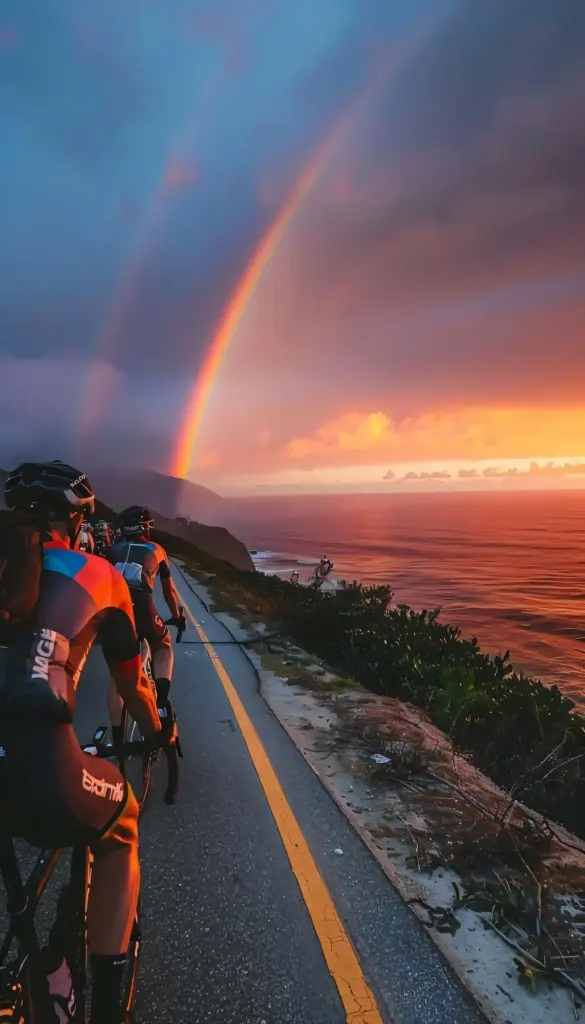
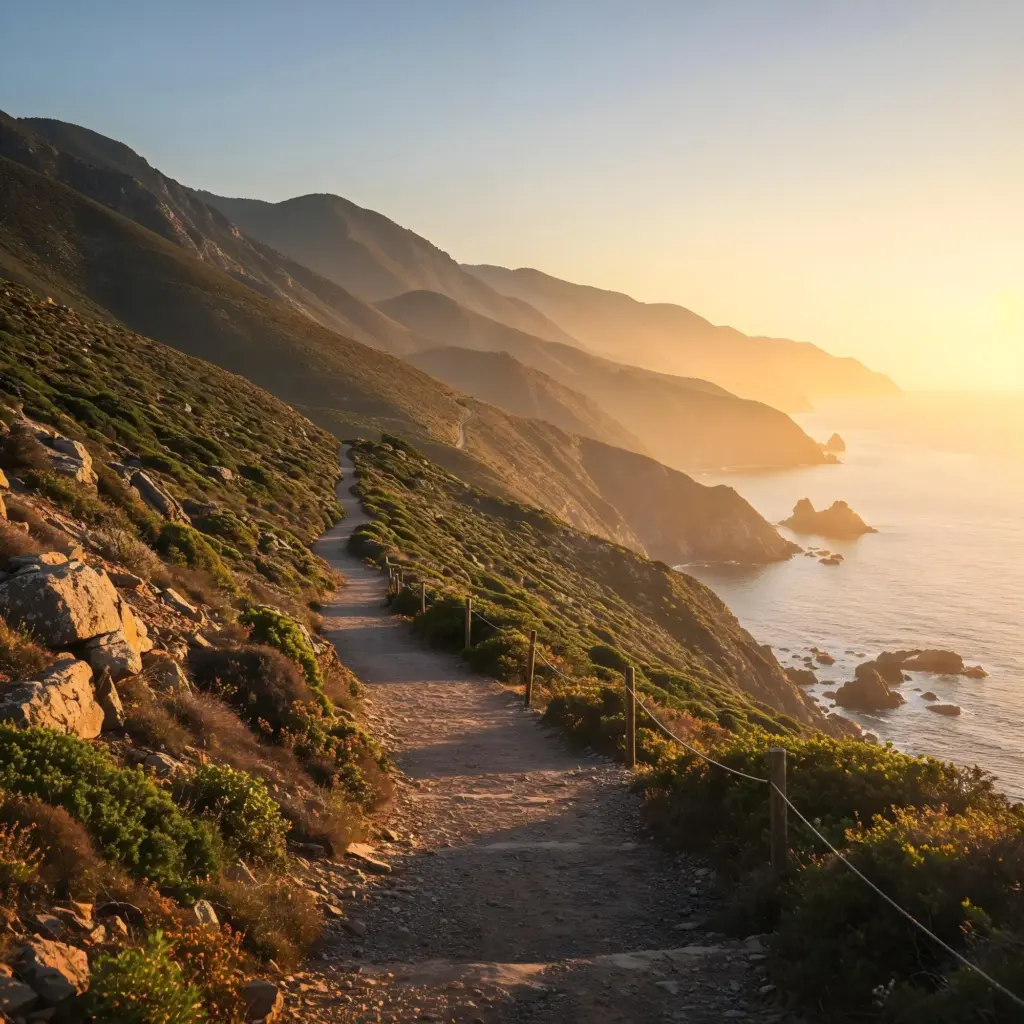
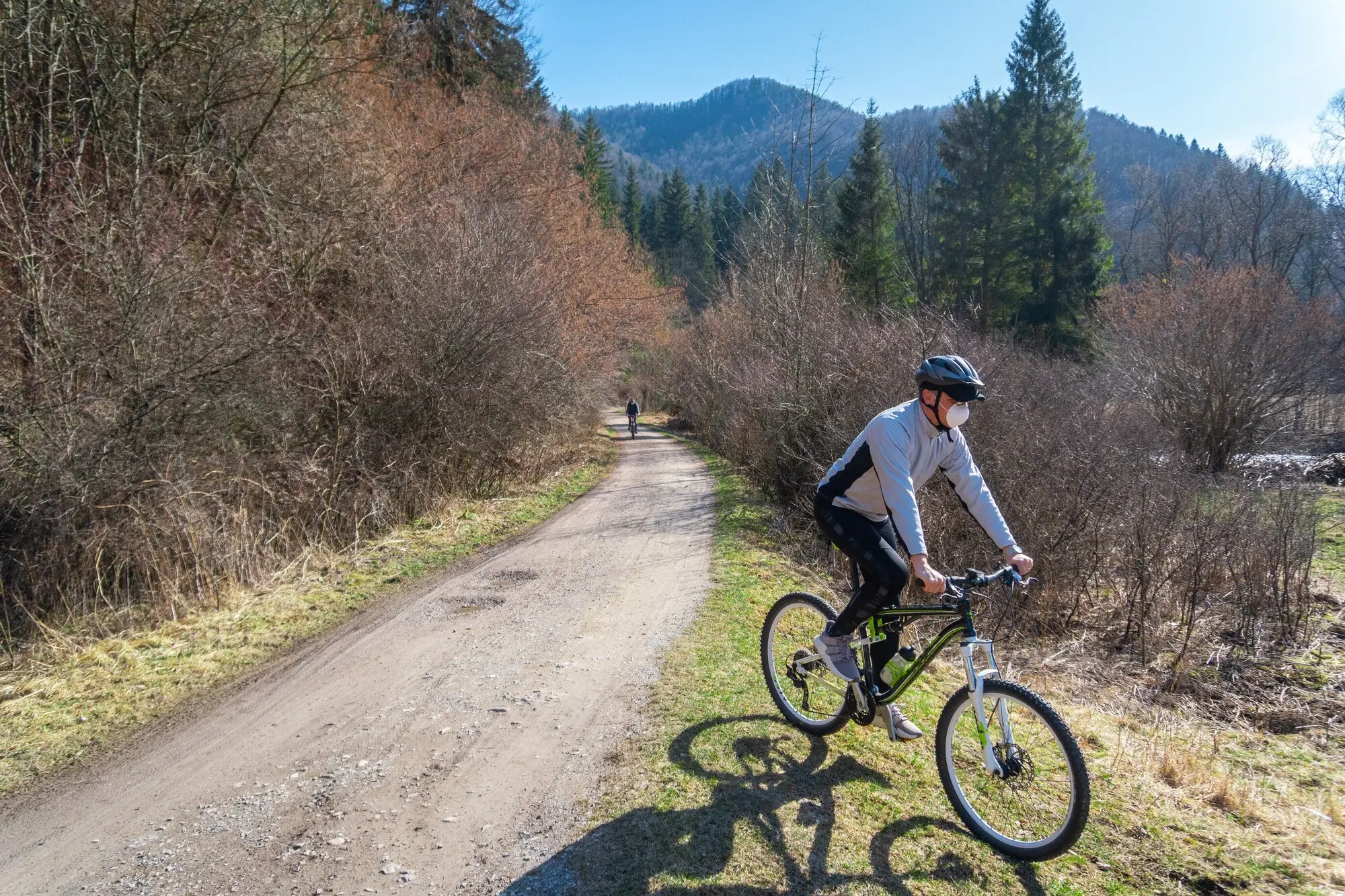
Rails to Ridgelines: Seamless Journeys for Nature Photographers

Today we’re diving into train-to-trail itineraries for nature photographers, revealing how to step off a carriage and onto a footpath with confidence, purpose, and light-aware timing. Expect practical routing tips, field-tested gear advice, inspiring rail-accessed hikes, and humane, low-impact practices. Share your favorite stationside trailheads or subscribe for route updates, seasonal alerts, and downloadable checklists that turn spontaneous rides into consistently rewarding image-making days.

Mapping Rail-to-Trail Connections

Turning rail maps into walking opportunities begins with pinpointing stations within safe, scenic striking distance of protected greenspace. We’ll compare timetable quirks, last‑mile signage, and digital map layers that keep you oriented from platform to trailhead. Expect candid anecdotes about missed stops, unexpected viewpoints, and the small planning tricks that transform uncertainty into confident strides and better photographs, even when schedules shift or platforms feel unfamiliar.

Chasing Light With Precision

Timing is craft. Align departures with blue hour arrivals, and design routes that climb into sunrise instead of chasing it. We’ll blend astronomical calculators with practical buffer minutes, choosing slopes, aspects, and canopy density that shape contrast, color separation, and foreground interest while keeping return rides realistic.

A Two‑Lens Kit That Covers Ground

Pair a lightweight ultrawide zoom with a compact telephoto prime or travel telezoom, then add a fast normal prime for stations and cafes. You’ll compose sweeping ridgelines, isolate distant wildlife ethically, and still keep the bag slim enough for rush‑hour aisles and uneven steps.

Stability Without a Burden

Consider a compact travel tripod, trekking‑pole adapters, or clamp‑style supports that mount on railings legally where permitted. Combine stabilization with high‑ISO tolerance and electronic shutter options to reduce vibration, keeping your presence considerate inside carriages and near trail overlooks with crowded viewpoints.

Power, Data, and Weather Insurance

Double micro‑USB or USB‑C cables, a modest power bank allowed by carriers, silica packs, and a roll‑top liner keep cameras alive through drizzle and long transfers. Back up cards during rides, label batteries by charge cycles, and never bury the rain shell beneath hard gear.

Ethics, Courtesy, and Safety

Shared Spaces, Shared Responsibility

Stations, carriages, and trailheads serve commuters, residents, and visitors. Keep gear compact, voices low, and tripods stowed where they obstruct nobody. On trail, step aside for faster hikers, protect vegetation with careful foot placement, and leave every platform and overlook cleaner than you found it.

Legal Lines Around Rail Corridors

Rules differ across countries and operators. Research photography policies, platform permits, and restrictions on drones and tripods, then comply without argument. Safer distances protect lives and frames; telephoto choices compress storytelling beautifully without ever stepping near energized rails, service yards, or staff‑only right‑of‑ways.

Care for Wildlife and Quiet

Early trains may deliver solitude; let it remain peaceful. Keep playback devices off, give nests and dens wide berths, and photograph with longer focal lengths to reduce disturbance. Your restraint invites genuine behavior, richer compositions, and long‑term access for everyone seeking beauty along these lines.

Signature Itineraries You Can Ride and Hike

These rail‑linked walks are chosen for scenic payoff, reliable wayfinding, and practical turnaround options. Each pairs a realistic timetable with photogenic terrain, letting you build images without renting cars or stressing over parking. Share your adjustments, seasonal notes, and station hacks to refine future guides together.

Weather, Seasons, and Backup Plans

Forecasts shape both safety and style. Learn to read wind direction for smoke or pollen haze, exploit drizzle for saturated color, and pivot to sheltered gorges when storms rise. We’ll plan conservative turnarounds, identify coffee shelters, and ensure delays become creative studies instead of frustrations.

Mist, Rain, and Reflective Surfaces

Rain transforms ordinary railway platforms, pine needles, and slate steps into luminous reflectors. Pack microfiber cloths, lens hoods, and patience. Compose puddle symmetries while guarding safety boundaries, then transition to waterfalls or moss gardens where overcast light reveals micro‑textures without harsh contrast or anxious exposures.
Heat, Snow, and Seasonal Tradeoffs

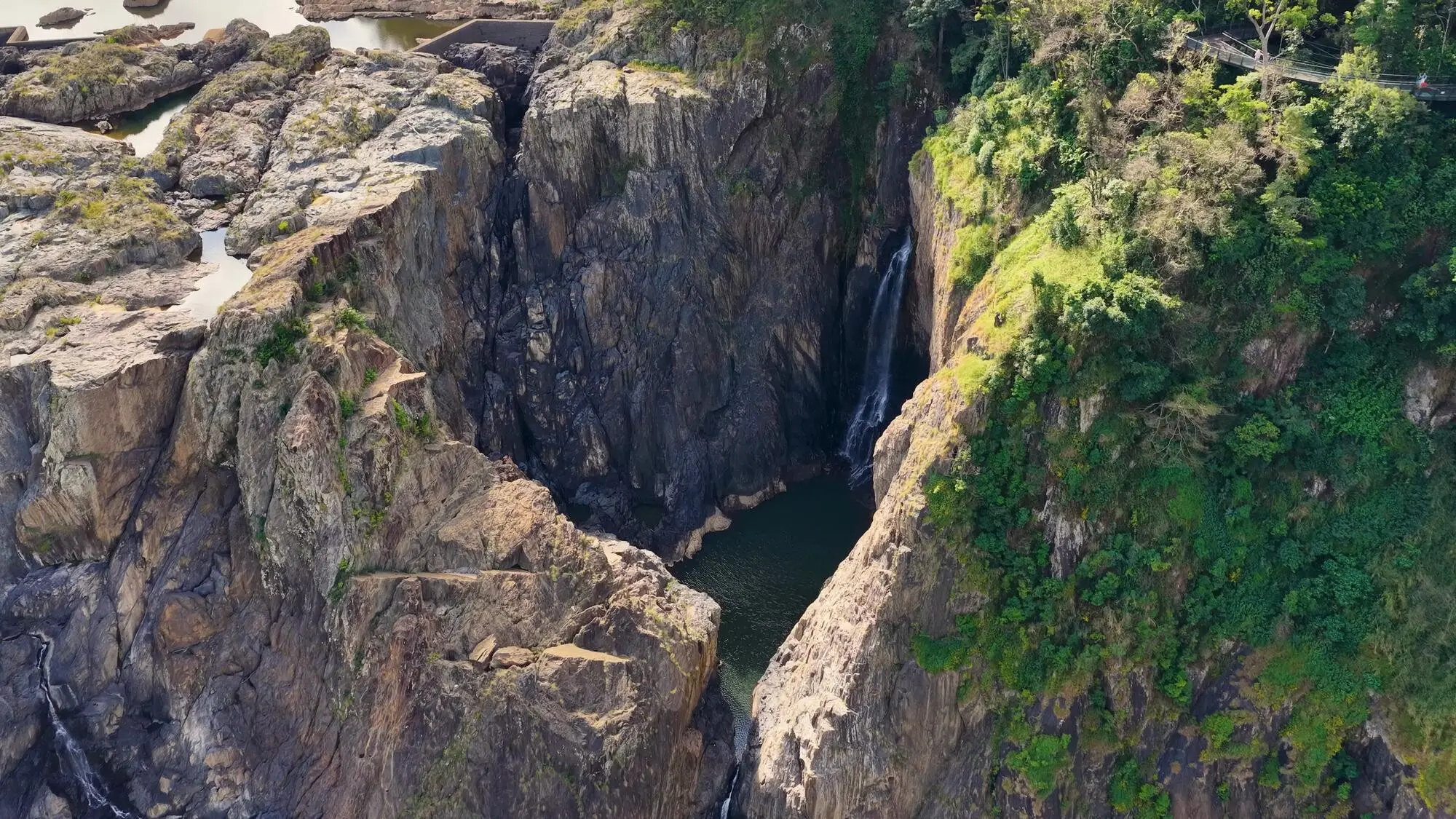
High summer favors pre‑dawn arrivals and shaded ravines; winter rewards endurance with crystalline air and long blue hours. Adjust traction, hydration, gloves, and battery strategy accordingly, choosing itineraries where services remain frequent and exits obvious if weather outpaces your comfort or daylight calculations.
Delays as Creative Workshops

When operations slow, resist frustration and study light, rhythm, and storytelling in small spaces. Practice hand‑held panoramas, motion blur with passing trains from safe viewpoints, and people‑less still lifes. Jot future composition ideas, answer reader questions, and invite itinerary suggestions while you wait productively.